-
6142 Miramar Parkway Suite D, Miramar, FL 33023

Aug 15, 2026
Comparing Self-Funded and Fully Funded Health Insurance Options in Florida: Comprehensive Guide for Employers and Individuals
Make an informed choice between self-funded and fully funded health insurance. Learn the key differences and find the best option for your needs today.

By Erick Sanon, BrightBridge Insurance
Navigating the complexities of “health insurance” can be challenging for employers and individuals alike, particularly in Florida’s unique insurance landscape. This comprehensive guide explores the differences between self-funded and fully funded health insurance options, providing insights into their operational mechanisms, costs, benefits, and compliance requirements. Those considering these options will learn how to align their insurance strategies with their specific needs, whether for personal or business purposes. Key sections include a breakdown of fully funded plans, an overview of self-funded options, and comparisons of costs and benefits associated with each funding method. Additionally, the article will address various group health plan funding strategies, compliance considerations, and practical case studies from South Florida businesses.
What Defines Fully Funded Health Insurance Plans in Florida?
Fully funded health insurance plans are characterized by employers paying fixed premiums to insurance carriers, which then assume the risk of claims. This method allows employers to transfer the financial responsibility for health care costs to the insurance company. As a result, businesses can predict their expenses with greater accuracy, ensuring that budgeting becomes more straightforward. Fully funded plans are also subject to specific regulatory and compliance requirements that aim to protect employees and ensure the solvency of the insurance market.
How Do Fully Insured Plans Operate for Florida Employers?
Fully insured plans function by requiring employers to pay a predetermined monthly premium. This arrangement means that the insurance carrier is responsible for managing claims and regulatory compliance, which can ease administrative burdens for employers. However, while premiums are predictable, they may not reflect the actual healthcare use, leading to costs that can be higher than expected if the employee utilization exceeds forecasts.
What Are the Regulatory and Compliance Requirements for Fully Funded Plans in Florida?
Employers must navigate a range of regulatory obligations unique to fully funded plans in Florida. These include adherence to the Affordable Care Act (ACA) standards, ensuring compliance with state-specific regulations under the Florida Insurance Code Title XXXVII, and oversight by the Florida Office of Insurance Regulation (OIR). The Florida Insurance Code governs the market conduct, solvency standards, and consumer protections for fully insured health plans. Failure to comply with these regulations can lead to significant penalties, making it essential for employers to stay informed about the legal and regulatory framework governing their health insurance offerings.
What Are the Key Features of Self-Funded Health Insurance Plans in Florida?
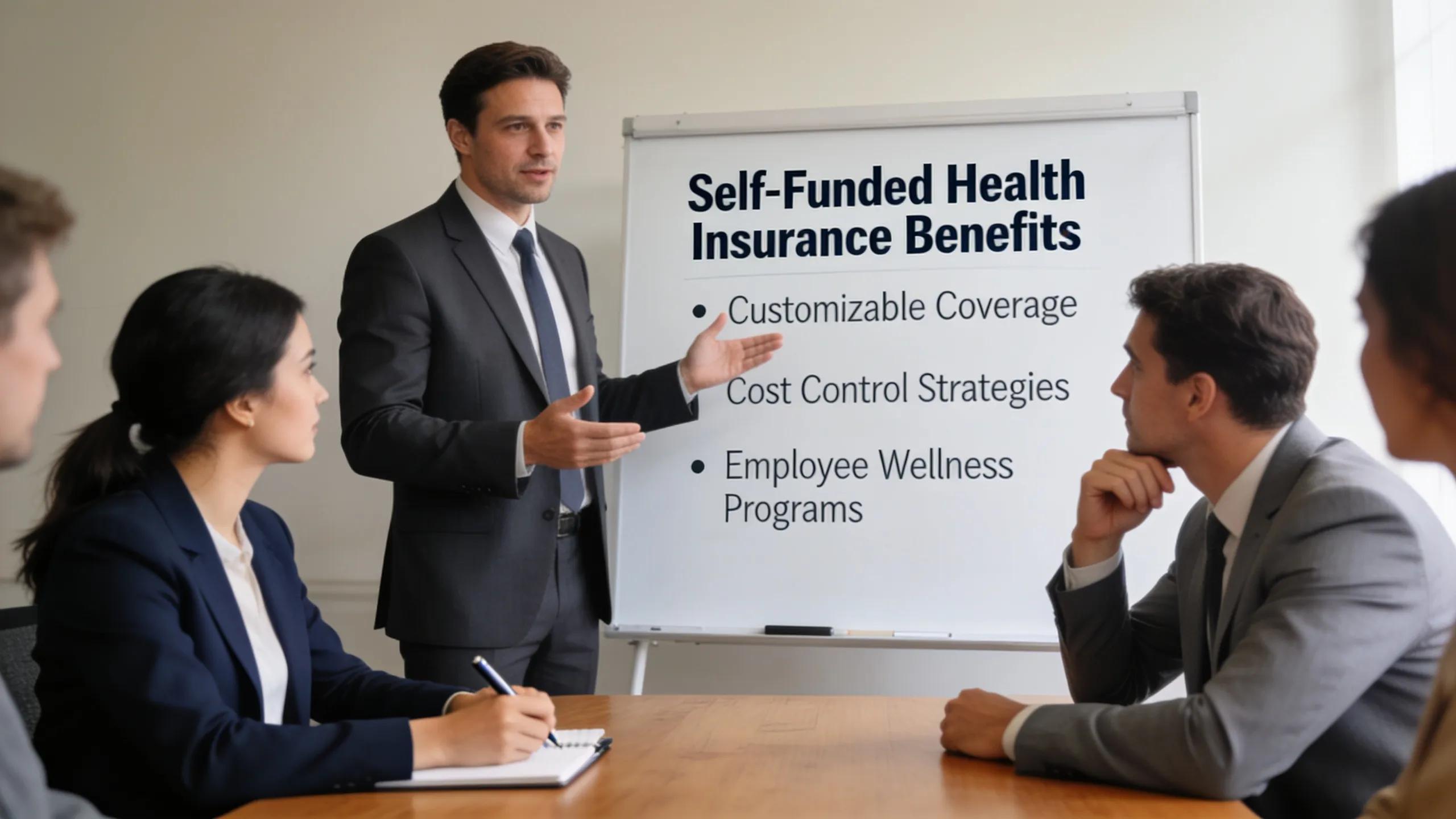
Self-funded health insurance plans allow employers to take on the financial risk associated with providing health benefits. Under this model, employers pay for employee medical claims directly, rather than through an insurance plan. Key features of self-funded plans include cost control, customization options, and potentially lower costs over time. This funding model enables employers to tailor their health benefits to meet their workforce’s needs while retaining flexibility and control over their healthcare spending.
How Does Self-Funding Work for Florida Employers?
In a self-funded arrangement, employers budget for healthcare costs, often partnering with third-party administrators (TPAs) to manage claims processing and payment disbursements. This partnership allows employers to retain cash flow benefits, as they only pay claims as they arise. Additionally, self-funding can include stop-loss insurance to protect employers from unexpectedly high claims, making it a viable option for many Florida businesses. “BrightBridge Insurance” offers guidance for those looking to explore self-funded plans, providing expertise that can facilitate an informed decision on this funding method.
Understanding the role of third-party administrators and regulatory frameworks like ERISA is crucial for employers considering self-funded plans.
Florida Regulatory Framework for Self-Funded Plans
Self-funded health plans in Florida are primarily regulated under the federal Employee Retirement Income Security Act (ERISA) of 1974, which preempts many state insurance regulations. However, employers and plan sponsors must also comply with obligations under the Florida Insurance Code Title XXXVII as enforced by the Florida Office of Insurance Regulation (OIR) to the extent applicable, particularly regarding stop-loss insurance policies and certain reporting requirements. Understanding these intersecting regulatory frameworks ensures compliance and effective plan administration within Florida’s legal context.
What Are Stop-Loss Insurance and Level-Funded Options?
Stop-loss insurance serves as a crucial safety net for self-funded employers, limiting their financial liability for runaway health claims. There are two primary types of stop-loss insurance:
- Specific Stop-Loss Insurance: This coverage protects against individual high-cost claims exceeding a predefined attachment point, typically set per individual employee. For Florida small and mid-sized businesses (SMBs), specific stop-loss attachment points commonly range from $30,000 to $100,000, depending on the employers risk tolerance and budget.
- Aggregate Stop-Loss Insurance: This coverage limits total claims expenses across the entire group. The aggregate attachment point is generally calculated as a percentage (commonly 125%) of expected claims, ensuring employers are protected against higher-than-anticipated aggregate costs during the plan year.
Stop-loss insurance reduces financial risk and assists with cash flow protection by capping the employers exposure, which is particularly beneficial for SMBs in Florida managing volatile healthcare expenditures. Level-funded plans blend these protections into a fixed monthly payment, combining stop-loss coverage with expected claims funding to ensure budget predictability while retaining the benefits of self-funding.
Employers must carefully evaluate stop-loss thresholds and attachment points to align with their risk management goals and cash flow needs.
Legal Responsibilities of Self-Funded Health Plans for Employers in Florida
Employers opting for self-funded plans retain the primary liability to fund claims regardless of stop-loss insurance coverage. Under Florida Insurance Code Title XXXVII and federal ERISA provisions, plan sponsors must meet financial obligations and reporting requirements, ensuring plan solvency. Stop-loss insurance does not eliminate these responsibilities but serves to mitigate excessive claim costs, requiring diligent financial planning and compliance monitoring.
How Do Self-Funded and Fully Funded Plans Compare in Costs and Benefits?
Both self-funded and fully funded plans present distinct cost structures and benefits for employers in Florida. Self-funded plans can result in significant savings, particularly for organizations with lower healthcare costs. Additionally, self-funded plans provide more direct control over health benefit design, allowing for more tailored offerings. Conversely, fully funded plans provide the stability of fixed costs and minimal administrative responsibilities for employers, making them a more accessible option for some businesses.
What Are the Cost Differences Between Self-Funded and Fully Insured Plans?
Cost comparison between self-funded and fully funded insurance plans often shows that while the fixed premiums of fully funded plans may appear higher upfront, self-funded plans can yield benefits in the longer term due to the reduced payment of premiums over time. Self-funding can often mean that businesses only pay for the claims incurred, which could be more cost-effective. Furthermore, employers can incorporate wellness programs and manage direct healthcare spending to further influence overall expenditures.
What Benefits and Risks Should Employers Consider?
Employers should weigh the potential for lower costs against the risks associated with self-funding. Benefits may include reduced overall healthcare costs, increased customization, and enhanced cash flow management. However, risks such as unpredictable healthcare costs and the administrative burden of managing claims must also be considered. A thorough analysis of these factors will help organizations make an informed decision regarding their health insurance funding strategy.
Comprehensive Financial Analysis for Florida Employers
Cost Predictability: Fully insured plans offer the highest degree of cost predictability through fixed monthly premiums, which include insurer margins, administrative costs, and claims. Self-funded plans vary monthly based on actual claims, making budgeting less predictable without careful reserve management.
Claims Reserve Requirements: Florida self-funded employers must maintain adequate funding reserves for expected claims plus a margin for unexpected fluctuations. Adequate reserves prevent cash flow shortfalls and ensure timely claims payment, which is critical for maintaining employee trust and plan stability.
Third-Party Administrator (TPA) Fees: TPAs manage claims processing and plan administration for self-funded employers, charging fees typically based on per-employee-per-month (PEPM) rates or percentage of claims. In Florida’s market, these fees range from $15 to $40 PEPM, depending on plan complexity and service levels. Employers should account for these fees alongside claims costs and stop-loss premiums to comprehensively evaluate plan expenses.
Which Group Health Plan Funding Options Are Best for Florida Employers?
Choosing the right health plan funding option depends on various factors, including company size, workforce demographics, and financial resources. Large employers often find more success with self-funded plans, which provide flexibility and potential cost savings. Conversely, small to mid-sized businesses may prefer fully funded plans to mitigate financial risk and simplify administration. As company dynamics shift, reassessing these “group health plan” funding options on a regular basis can ensure the right fit for organizational health benefit strategies.
When Should Small and Mid-Sized Businesses Choose Level-Funded Plans?
Level-funded plans serve as an attractive option for small and mid-sized businesses looking for predictable budgeting while retaining the benefits of self-funding. These plans may align with the needs of organizations wanting to mitigate risk while enjoying some degree of customization in their health benefits. By offering a middle-ground approach, level-funded plans can help businesses address fluctuating healthcare costs while maintaining financial stability.
How Do ICHRA and QSEHRA Impact Employer-Sponsored Benefits?
Individual Coverage Health Reimbursement Arrangements (ICHRA) and Qualified Small Employer Health Reimbursement Arrangements (QSEHRA) represent evolving methods for employers to offer health benefits. These approaches allow businesses to reimburse employees for health insurance premiums or qualified medical expenses, promoting flexibility and personal choice in healthcare. Employers can tailor these arrangements to help their employees secure the coverage that best fits their individual needs.
What Compliance and Legal Considerations Affect Health Plan Funding in Florida?
Compliance considerations for health plan funding encompass a variety of regulations, including mandates set forth by the ACA and state-specific guidelines. Ensuring compliance reduces the risk of penalties and lawsuits. Employers must remain vigilant about the evolving legal landscape surrounding health care, particularly as federal and state regulations may change. Consulting with legal and insurance professionals can help organizations navigate these complex requirements effectively.
How Do Individual and Family Health Insurance Options Intersect With Funding Models?
Individual and family health insurance products, like the ACA health plans, may complement self-funded models when employers provide these options as additional benefits outside the employer-sponsored plan. Understanding how individual and family health plans interact with employer-provided insurance can help employers design comprehensive coverage that meets the needs of a diverse workforce. This integration supports employee satisfaction and retention by catering to varied healthcare needs across families.
How Do Employer Plans Affect Access to Individual Health Insurance?
The availability of employer-sponsored plans significantly shapes employee access to individual health insurance. In some instances, access to robust employer-organized benefits measures lessen the demand for individual policies. However, the choice of plan—fully funded versus self-funded—can influence how employees view their options, shaping their perception of value and willingness to opt for additional personal coverage.
What Are the Practical Case Studies and Examples From South Florida Businesses?
Examining how local employers have adapted their health insurance strategies can provide valuable lessons in navigating self-funded and fully funded health insurance options. Case studies reveal varied approaches, from small businesses successfully transitioning to self-funded plans to larger organizations optimizing fully funded offerings to match workforce requirements. Real-world examples can illustrate best practices and help other businesses learn from regional successes and challenges.
How Have Local Employers Transitioned to Self-Funded Plans Successfully?
Many South Florida businesses have successfully made the shift to self-funded plans, often by leveraging existing employee engagement in health management. Strategies include adopting wellness programs, using data analytics to inform healthcare spending, and establishing strong partnerships with TPAs. Employers noted that raising employee awareness about healthcare options directly contributed to improved health outcomes and reduced costs.
What Cost-Saving Strategies Have Proven Effective in South Florida?
Cost-saving strategies employed by South Florida employers include implementing preventive care initiatives, utilizing telehealth services, and negotiating directly with healthcare providers for better rates. By engaging employees in discussions about healthcare utilization and fostering a culture of wellness, businesses have significantly impacted their bottom-line costs while enhancing employee satisfaction and overall health.
What Frequently Asked Questions Should Florida Employers and Individuals Consider?
A variety of questions arises when assessing health insurance options in Florida, notably focusing on funding choices, employer responsibilities, and employee access. Understanding the intricacies of self-funded versus fully funded insurance and their implications in the local Florida market remains crucial for informed decision-making.
What Are the Most Common Concerns About Self-Funded Health Plans?
Employers often express concerns about the unpredictability of costs associated with self-funded plans, particularly regarding catastrophic claims. They also question the administrative complexity of managing claims without an insurance carrier’s support. However, many find that with proper planning and risk management through stop-loss insurance, these concerns can be mitigated.
How Do Fully Insured Plans Provide Stability and Predictability?
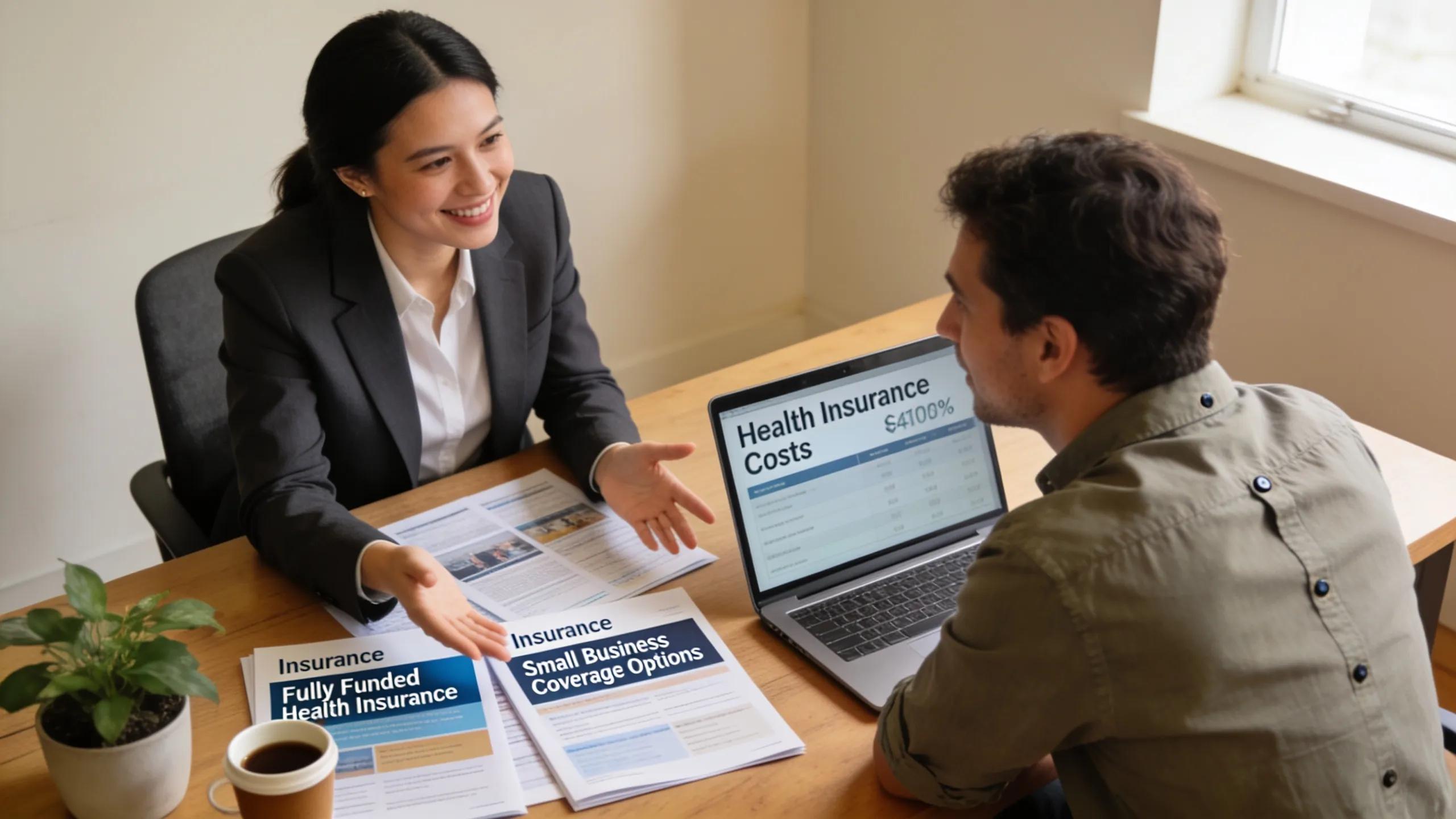
Fully insured plans offer stability through fixed premiums and clear expectations regarding costs. Employers appreciate the simplicity of having an insurance carrier manage claims, as this reduces the burden of administrative tasks. Such predictability is particularly valuable for small to mid-sized businesses that may lack the cash flow or resources to absorb spikes in healthcare costs effectively.
About the Author
Erick Sanon is a licensed Florida health insurance broker and employee benefits consultant at BrightBridge Insurance. With over a decade of expertise in employee benefits and group health plans, Erick specializes in guiding Florida businesses through the complexities of health insurance funding strategies, including self-funded, fully funded, and level-funded plans. Committed to personalized service and industry expertise, he helps employers optimize their healthcare offerings to balance cost, compliance, and employee satisfaction.
Want to compare your options?
Click the button below to head to our quotes page where you can enter some basic information to have our team help with your insurance!
Start a Conversation With Us
Stay Informed
Stay Ahead
See More Articles

Florida Health Insurance Quotes Made Easy: How to Compare Plans & Save in 2026
Compare Florida health insurance quotes effortlessly and find significant savings for 2026. Get the coverage you need at a price that fits your budget today!
-
Vision and Dental Insurance Packages for Florida Families: Complete 2026 Guide to Affordable Coverage Options and Enrollment
Unlock the best insurance options for 2026 in Florida. This guide helps you navigate packages with ease, ensuring you make informed decisions for your needs.
-
Florida Health Insurance Plans Explained: How to Choose the Best Individual & Family Coverage
Find the perfect Florida health insurance plan for your family. Learn about coverage options that suit your needs and budget. Secure peace of mind today!