-
6142 Miramar Parkway Suite D, Miramar, FL 33023

Sep 14, 2026
ICHRA vs Level-Funded Health Plans: Comprehensive Guide for Florida Employers Choosing the Best Group Benefits in 2026
Unlock the benefits of ICHRA for Florida employers in 2026. Learn how it enhances flexibility and employee satisfaction while optimizing health benefits.
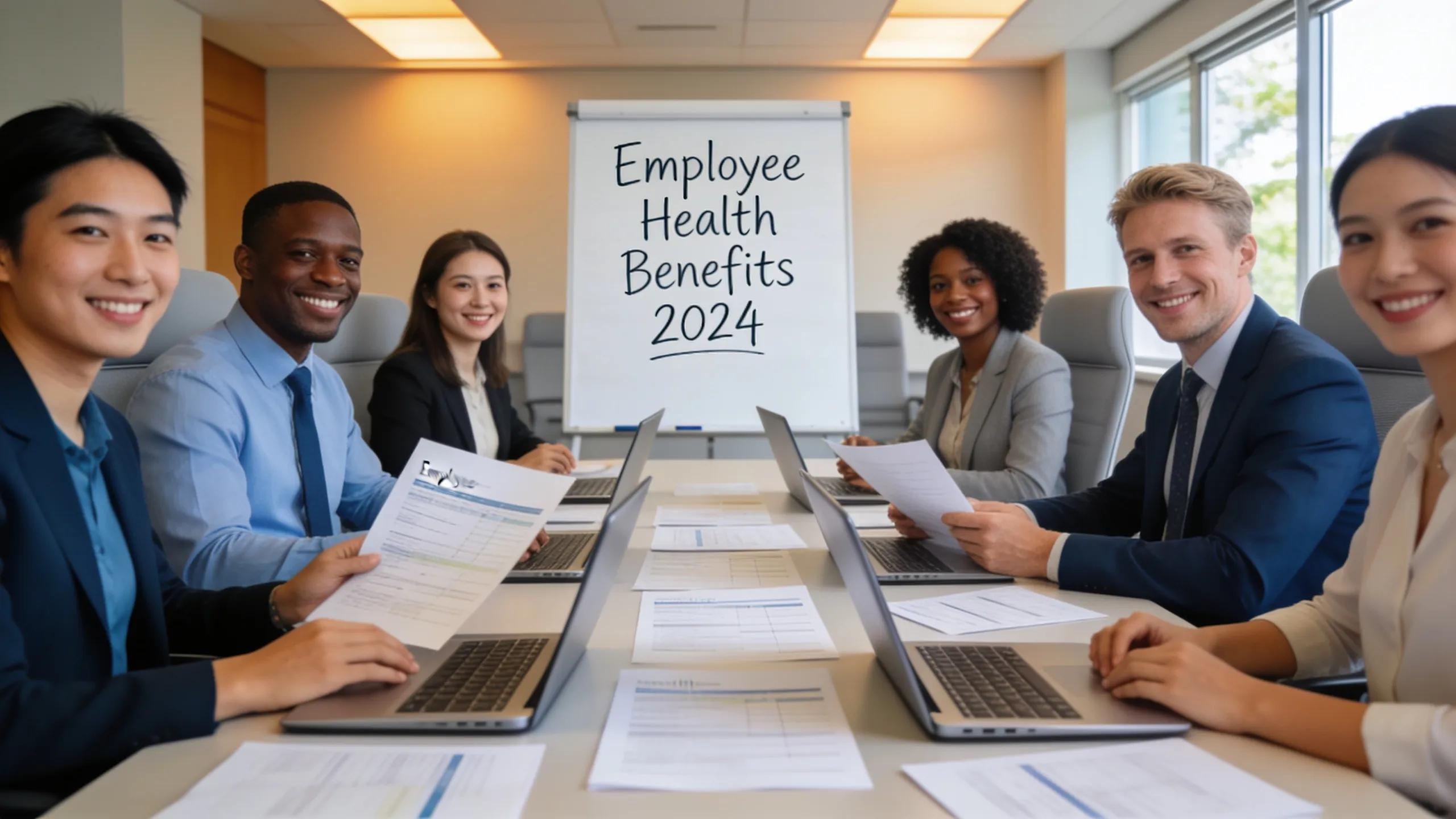
By Erick Sanon, BrightBridge Insurance
As Florida employers navigate the evolving landscape of employee benefits, understanding the differences between Individual Coverage Health Reimbursement Arrangements (ICHRA) and Level-Funded Health Plans becomes critical. This article will explore these two options, providing insights into their structures, benefits, compliance requirements, and suitability for various types of organizations. In 2026, many Florida employers are grappling with the challenges of rising healthcare costs and employee satisfaction. By the end of this guide, you will have a clear understanding of which plan might be best for your organization, including a comparison of costs, coverage options, and regulatory considerations.
We will break down the key facets of each plan type, offering real-world examples and addressing frequently asked questions so that you can make an informed decision tailored to your specific circumstances.
What is an Individual Coverage Health Reimbursement Arrangement for Florida Employers?
An Individual Coverage Health Reimbursement Arrangement (ICHRA) is an innovative health benefit that employers can offer to reimburse employees for their individual health insurance premiums. The primary mechanism of ICHRA is to provide greater flexibility for both employers and employees regarding their healthcare choices. Employers can control their costs by offering a fixed monthly reimbursement amount, allowing employees to choose the health plans that best suit their needs.
The benefits for employers include increased customization of employee benefits and potential savings on premium costs typically associated with traditional group health plans. Additionally, with ICHRA, employers are not bound to the rigid structures of conventional insurance plans, allowing for more personalized healthcare solutions. This approach provides an attractive alternative to fully insured group health plans and complements other models such as self-funded group health plans and level-funded group health plans, all of which play a significant role in shaping Florida group health insurance and employee benefits strategies.
How does ICHRA reimburse individual health insurance premiums?
The reimbursement under an ICHRA system works by allowing employees to pay for their individually selected health insurance premiums upfront, and subsequently submit for reimbursement. Eligible expenses may include various individual health insurance premiums as well as out-of-pocket medical costs.
To participate, employees must be enrolled in a health insurance plan that meets specific criteria set forth by the IRS. The tax implications also play a significant role, as reimbursements made through ICHRA are tax-free for both employers and employees. This arrangement makes it an appealing option for both parties looking for cost-effective healthcare solutions.
Research into the evolution of health reimbursement arrangements highlights how these individual models function as a unique hybrid approach for modern organizations.
Understanding ICHRA: A Guide for Employers
In 2019, a new hybrid emerged: the individual coverage health reimbursement arrangement (ICHRA or HRA for short). Individual HRAs are a blend of employer coverage The role of individual coverage health reimbursement arrangements—the liger of health insurance?, BD Sommers, 2019
What are the updated 2026 IRS contribution limits and compliance requirements for ICHRA?
As of 2026, the IRS has established specific contribution limits for ICHRA participants. Employers can set their contribution levels according to their financial objectives and employee demographics. The key compliance requirements include adherence to established nondiscrimination rules to ensure that benefits are equitably distributed among employees.
Additionally, employers must provide the required notices regarding their ICHRA plans to employees and report the reimbursements adequately on their tax returns. Staying informed on the IRS regulations is essential to maintain compliance and avoid penalties. For more detailed information on ICHRA in Florida, employers should consult relevant resources to fully understand the nuances of the program.
How Do Level-Funded Health Insurance Plans Work for Florida Employers?

Level-Funded Health Plans offer a unique approach that combines aspects of self-funding and traditional insurance. Employers pay a fixed monthly fee, which includes funding for claims and stop-loss insurance. This arrangement allows for predictable monthly budgeting while also giving employers the potential to recoup some of their unused funds at the end of the year if claims are lower than expected.
This funding structure provides financial predictability and can be particularly beneficial for small to mid-sized businesses. With greater control over their healthcare budgets, employers can also implement wellness programs designed to reduce claims and promote healthier employee lifestyles.
Level-funded plans are a popular option among level-funded group health plans solutions, often bridging the gap between traditional and self-funding strategies.
What is the funding structure and risk management with level-funded plans?
The funding structure of level-funded plans involves contributing a consistent monthly amount, which is forwarded to a dedicated account for handling incurred claims. This approach provides employers with clear insight into their cash flow and helps balance their financial risk associated with employee healthcare expenses.
Employers can also utilize various risk management strategies, such as implementing effective wellness initiatives, to help reduce overall claims. By proactively managing health outcomes, employers can minimize their costs and improve workforce productivity.
What are the cost predictability and renewal risk factors for level-funded plans in 2026?
In 2026, the cost predictability within level-funded health plans is considered one of their strongest advantages. Employers enjoy a structured payment plan that helps to avoid unforeseen spikes in claim costs. Renewal risk factors, however, can arise if there is a significant increase in claims during the policy year, which may result in higher renewal rates.
Employers must remain vigilant about managing their healthcare expenses and consider the implications of their claims history during renewal discussions. Advanced planning and understanding of these factors can significantly influence budget management.
Which Plan is Better Suited for Florida Employers: ICHRA or Level-Funded Health Plans?
Determining whether ICHRA or Level-Funded Health Plans are better suited for Florida employers depends largely on the specific needs of the business, its workforce, and its financial goals. ICHRA offers enhanced flexibility and employee choice, while level-funded plans provide predictable costs with elements of self-funding.
Both options present unique benefits, and employers should weigh their priorities—whether it be cost control, employee satisfaction, or administrative ease. Each business may arrive at a different conclusion based on its core attributes and objectives.
How do ICHRA benefits compare to level-funded plans for small businesses and nonprofits?
For small businesses and nonprofits, ICHRA can be advantageous due to its customizable offerings that allow employees to choose plans that fit their needs without necessitating the constraints of traditional group plans. Employees may have a broader range of insurance choices, which can lead to increased satisfaction and retention.
Conversely, level-funded plans might offer small entities better budget management and cost predictability. They can also facilitate access to comprehensive benefits, which might attract and retain talent within competitive job markets. Hence, the choice often hinges on which benefits align most closely with organizational goals.
Can Florida employers combine ICHRA with other group health options like QSEHRA or ACA plans?
Florida employers can indeed combine ICHRA with other health plans, such as Qualified Small Employer Health Reimbursement Arrangements (QSEHRA) or Affordable Care Act (ACA) plans, under certain circumstances. Doing so can enhance their overall benefits package and offer employees additional choice.
However, employers should remain compliant with IRS regulations to avoid complications, ensuring that the combined offerings do not violate any nondiscrimination rules or contribution limits. Employers should consult with a knowledgeable benefits consultant to navigate these complexities effectively.
What Regulatory and Market Considerations Affect Florida Employers Choosing Between ICHRA and Level-Funded Plans?
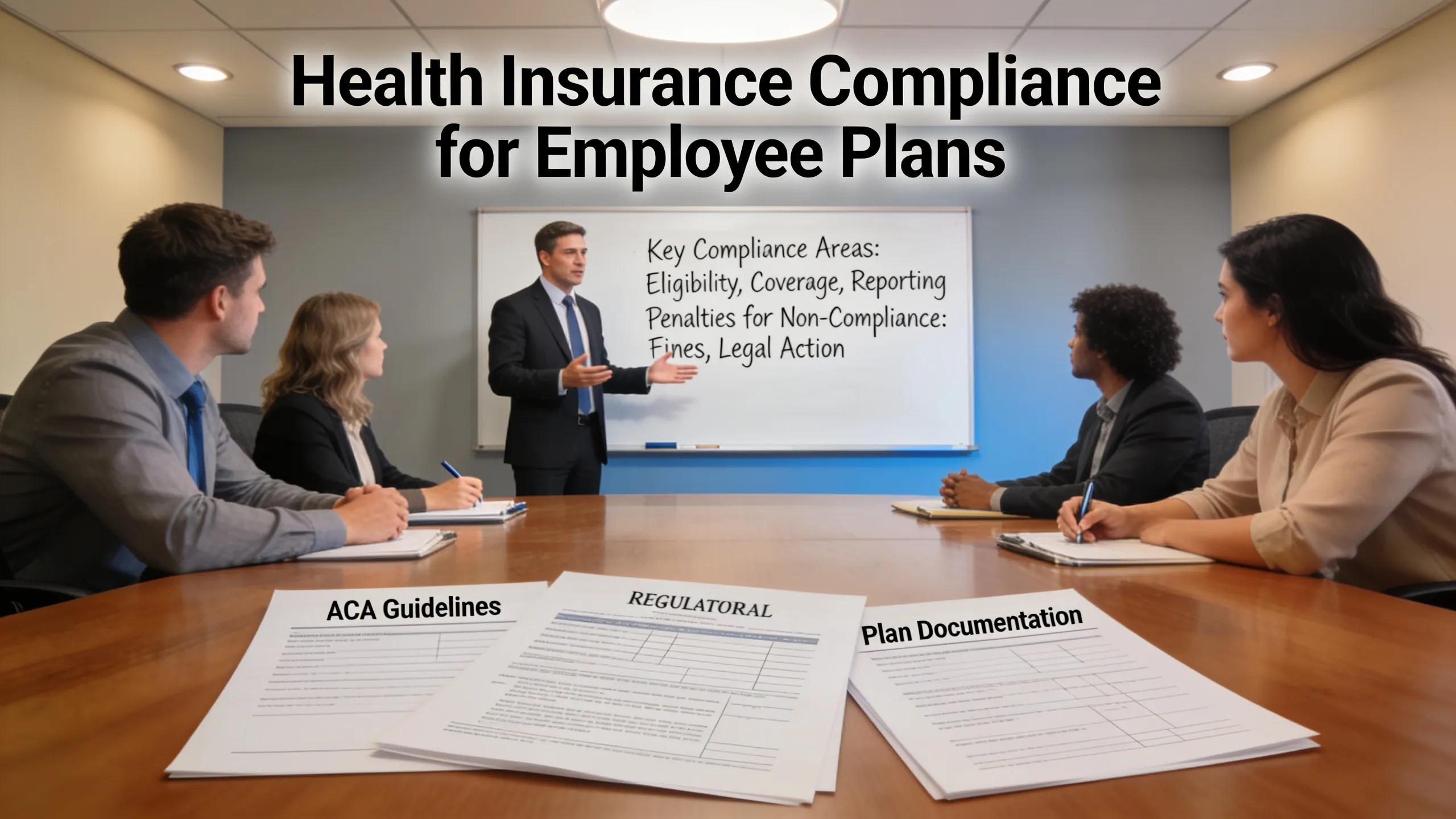
Florida employers must remain knowledgeable about specific regulations that govern employee benefits. The evolving healthcare landscape, including changes to the Affordable Care Act, impacts how both ICHRA and level-funded plans function in practice.
Understanding market trends also plays a vital role, as the demand for flexible, cost-effective health solutions continues to increase. Employers should consider the potential for future regulatory changes when deciding which plan to implement. Consulting with benefits professionals can provide valuable insights and updates regarding compliance with laws affecting health insurance.
What Florida-specific insurance compliance issues must employers consider in 2026?
In 2026, Florida employers need to navigate various state and federal regulatory requirements regarding health insurance coverage. Special attention should be paid to local compliance issues, such as managing employee benefits under specific state laws or ensuring proper implementations of state-based health initiatives.
Not aligning with these regulations not only jeopardizes employee welfare but can also lead to significant financial penalties for the employer. Regularly reviewing compliance status with an insurance professional is vital to maintaining adherence and safeguarding against legal risks.
How do employee size, industry type, and budget impact plan suitability?
Employee size, industry type, and budgetary constraints significantly impact the suitability of ICHRA versus level-funded plans. Smaller organizations may find ICHRA to be a better fit, enabling tailored benefit offerings while managing costs effectively.
In contrast, larger organizations with diverse workforce needs might prefer the structured approach of level-funded plans, ensuring stable budgeting while providing comprehensive coverage. Each organization’s financial capabilities and strategic goals should be examined to identify the best fit.
What Are Real-World Florida Employer Case Studies Demonstrating ICHRA and Level-Funded Plan Outcomes?
Real-world case studies shed light on how Florida employers have navigated these challenges. Businesses that adopted ICHRA often report increased employee satisfaction, as workers appreciate the flexibility and control over their healthcare options.
Conversely, organizations utilizing level-funded plans have seen improved budget management and predictability regarding costs, leading to enhanced growth capabilities. Reviewing these outcomes can provide critical lessons for employers looking to implement similar strategies.
How have South Florida small businesses successfully implemented ICHRA?
Several South Florida small businesses have integrated ICHRA offerings into their employee benefits packages, yielding positive returns in terms of employee engagement and loyalty. For instance, one marketing firm found that by allowing employees to select their own health coverage, it significantly reduced turnover.
Effective communication around ICHRA and its benefits also contributed to a smooth implementation and high employee participation rates. By prioritizing education, these businesses leveraged ICHRA to create a more responsive workplace environment.
What are examples of nonprofit and church organizations using level-funded health insurance effectively?
Nonprofit and church organizations have utilized level-funded health insurance plans to create sustainable benefits packages while managing costs. For example, one local church offered a level-funded plan that incorporated wellness incentives, leading to lower claims and healthier congregants.
These programs not only provided essential resources but fostered a sense of community health among their members. Such initiatives demonstrate how nonprofits can navigate financial limits while offering meaningful benefits.
What Frequently Asked Questions Do Florida Employers Have About ICHRA and Level-Funded Health Plans?
Many Florida employers have common questions about ICHRA and level-funded plans, often revolving around eligibility, compliance, and overall effectiveness. Employers frequently inquire about how to determine the most advantageous option for their specific workforce needs.
Understanding the nuances of these plans, including eligibility criteria and reimbursement processes for ICHRA and cost management for level-funded plans, is essential. Employers should seek thorough answers from insurance professionals to ensure they make informed decisions.
How Can Florida Employers Partner with BrightBridge Insurance for Expert Group Benefits Consulting in 2026?
Florida employers have the opportunity to partner with BrightBridge Insurance for expert consulting on group benefits. BrightBridge specializes in tailoring solutions that align with ICHRA and level-funded plans, ensuring organizations find the best approach for their employees.
Employers can benefit from BrightBridge’s industry knowledge, equipping them to navigate complex benefits decisions confidently. The firm’s commitment to comprehensive support provides employers with the strategic insight needed in today’s changing healthcare landscape. To request a custom group benefits feasibility study or contact Erick Sanon directly, reach out through BrightBridge’s contact channels for personalized assistance.
What customized solutions does BrightBridge provide for ICHRA and level-funded health plans?
BrightBridge Insurance focuses on delivering customized solutions that cater specifically to the complexities of ICHRA and level-funded health plans. Whether it’s evaluating employees 27 insurance needs or helping organizations structure their benefits effectively, BrightBridge provides tailored support.
Their advisory services encompass everything from compliance consultations to educating employees about their benefits options, ensuring all parties are well-informed and satisfied with their health coverage solutions.
How does BrightBridge simplify complex insurance decisions for Florida employers?
To learn more about the agency’s founding history and philosophy, visit BrightBridge Insurance to see how they support local businesses.
BrightBridge Insurance prides itself on simplifying the complex world of insurance for Florida employers. The agency breaks down intricate information into clear, actionable insights, helping businesses efficiently manage their healthcare options.
Leveraging their consultancy expertise, employers can feel empowered to make educated choices about their benefits, facilitating a smoother decision-making process that aligns with their organizational goals.
About the Author & Benefits Consultant: Erick Sanon
Erick Sanon is a Licensed Florida Life & Health Insurance Broker (License #W-series) and the Founder of BrightBridge Insurance, based in Miramar, FL. With extensive experience specializing in commercial employee benefits, Erick expertly advises South Florida employers throughout Broward, Miami-Dade, and Palm Beach counties. His expertise includes defined contribution models such as ICHRA, level-funding underwriting strategies, and comprehensive ACA compliance. Erick is dedicated to helping businesses optimize their group health benefits while ensuring regulatory alignment and cost-effectiveness.
Side-by-Side Comparison Matrix: ICHRA vs Level-Funded vs Fully-Insured Plans
Stop-Loss & Contract Incurred/Paid Timing Considerations
Specific vs Aggregate Stop-Loss Corridors (120-125%)
Level-funded plans commonly have stop-loss insurance with specific and aggregate corridors, generally ranging between 120% to 125% of expected claims. The specific stop-loss protects the employer from large claims on individual members exceeding a deductible, while aggregate stop-loss provides protection when total claims exceed a predetermined threshold. Understanding these corridors helps employers gauge their exposure limits.
12/12 vs 12/24 Contract Terminal Liability / Run-out Provisions
Stop-loss contracts differ in how claims are paid post-termination. A 12/12 contract means claims incurred within 12 months prior to termination must be reported and paid within 12 months after contract end. A 12/24 extends the payment window to 24 months. Choosing the appropriate run-out provision affects a company’s financial risk related to post-contract claims.
Renewal Laser Deductibles and Claims Volatility
Renewal laser deductibles are increased specific deductibles imposed on high-cost claimants during policy renewal to mitigate insurer risk. They can lead to greater claims cost volatility for employers, emphasizing the need for ongoing claims management and forecasting.
Compliance & Tax Nuances of Employee Health Plans
IRC Section 105/106 Pre-Tax Exclusions
Reimbursements made through ICHRA are generally excluded from employees’ gross income under IRC Sections 105 and 106, providing tax advantages. This exclusion allows employers and employees to save on payroll and income taxes.
Section 125 Cafeteria Plan and FICA Savings (7.65%)
Incorporating ICHRA or other HRAs within a Section 125 Cafeteria Plan allows employee contributions on a pre-tax basis, yielding social security and Medicare tax (FICA) savings of approximately 7.65% for both employer and employee.
ACA Section 4980H Affordability Safe Harbors
Employers offering health reimbursement arrangements must consider ACA Section 4980H, which mandates affordability standards. Safe harbors based on W-2 wages, federal poverty level, or rate of pay ensure that offered benefits meet ACA affordability thresholds.
Form 1095-B and 1095-C Reporting
Employers must adhere to IRS reporting requirements by filing forms 1095-B or 1095-C to document offered coverage and employee enrollment, crucial for ACA compliance.
PCORI Fee Deadlines
The Patient-Centered Outcomes Research Institute (PCORI) fee is an annual fee assessed on health plans, including HRAs. Employers are responsible for timely payment and filing, typically due by July 31 of the calendar year following the plan year.
Florida Carrier Network Breakdown
- Florida Blue: Offers BlueOptions PPO providing expansive statewide provider access and BlueCare HMO plans with managed care networks.
- UnitedHealthcare (UHC) Choice Plus: Broad national and Florida-specific network coverage favored by many employers.
- Aetna Open Choice: Offers flexibility for members to select providers with extensive Florida hospital networks.
- Cigna Open Access: Combines wide network access with affordable options in Florida markets.
- AvMed: A regional provider with strong South Florida HMO and PPO networks.
- Oscar Health: Innovative technology-driven carrier with growing Florida market presence and PPO networks.
- Ambetter Sunshine State: Focused on Affordable Care Act marketplace plans including hospital access throughout Florida.
Frequently Asked Questions (FAQ)
Want to compare your options?
Click the button below to head to our quotes page where you can enter some basic information to have our team help with your insurance!
Start a Conversation With Us
Stay Informed
Stay Ahead
See More Articles

Medicare Enrollment Help in Miramar, Florida: Essential Guidance for Your 2024 Coverage
Get essential Medicare enrollment help in Miramar, Florida. Professional guidance ensures eligibility and benefits are clearly understood for peace of mind.
-
ICHRA vs Level-Funded Health Plans: Comprehensive Guide for Florida Employers Choosing the Best Group Benefits in 2026
Unlock the benefits of ICHRA for Florida employers in 2026. Learn how it enhances flexibility and employee satisfaction while optimizing health benefits.

Miramar & South Florida Health Insurance Guide 2026: ACA Marketplace, Subsidies & Memorial Network Access
Navigate your health insurance options in Miramar and South Florida with confidence. Understand plans and find the best coverage for your needs today.